
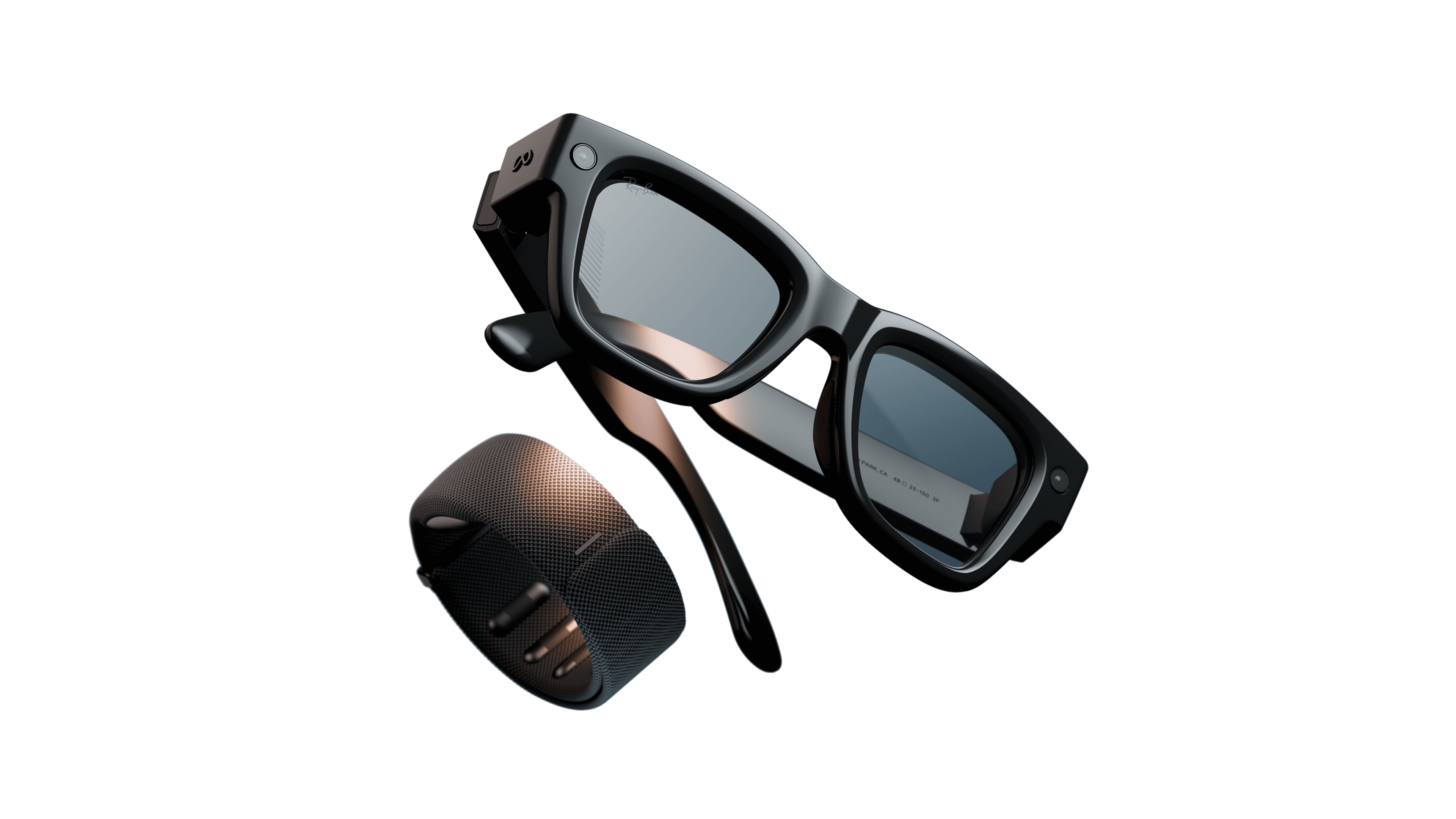
What Are Meta Ray-Ban AI Glasses?
Developed through a collaboration between Meta and Ray-Ban, these glasses represent a new era of innovative, AI-powered wearable technology. Combining Ray-Ban’s iconic design with Meta’s advanced systems, these smart glasses are expected to become an integral part of daily life in the near future.
To better understand their evolution and technical features, we can categorize the products into three main groups:
1. The Starting Point: Ray-Ban Stories
The first model in the series, Ray-Ban Stories, did not include AI integration. It focused primarily on multimedia features such as capturing photos and videos from a first-person perspective. This model can be viewed as the social media–oriented early version of smart glasses.
2. The Smart Transformation: Gen 1 and Gen 2 Models
With the introduction of Gen 1 and Gen 2 models, AI became a core component of the system. This is where the term "smart glasses" gained its full meaning. Beyond hardware improvements, Meta AI integration enabled users to receive information and operate applications using only voice commands.
The expanded design options also helped the glasses transition from a tech gadget to a natural part of everyday use.
3. Transition to AR Technology: Meta Ray-Ban Display
The most advanced model, Meta Ray-Ban Display, is the first in the series to incorporate an Augmented Reality display. In addition to the capabilities of previous models, it introduces:
- Integrated AR Display: A transparent panel that provides real-time visual feedback and information overlays.
- Meta Neural Band: A wrist-worn EMG-based control system enabling subtle finger and hand gestures to control the glasses without touch.
This model aims to minimize physical interaction and may mark the beginning of a new phase for smart wearable devices.
Why Does It Matter?
Functionality Is Important — But What About Appearance?
People care about how devices look as much as how they perform. An advanced wearable that looks awkward simply won’t appeal to everyday users. The collaboration between Meta and Ray-Ban is therefore a strategic advantage: the glasses look nearly identical to regular eyewear, blending seamlessly into daily life.
The Platform Where AI Fits Best
While features like taking photos, recording videos, and making calls are useful, what truly elevates these devices is Meta AI. For humans who constantly seek to interpret the world around them, AI-powered real-time visual understanding has the potential to become a natural reflex.
A Partial Goodbye to Earphones
The surprisingly strong sound quality allows users to listen to music or make calls without traditional earphones. A five-microphone array, noise reduction, and optimized audio capture significantly enhance the experience.
What About the Wearable Device Access Toolkit?
Meta plans to offer developers access to certain hardware capabilities in 2026. This could enable new creative use cases and drive innovation, forming part of Meta’s broader ecosystem strategy.
As hardware improves and AI advances, smart glasses may become a deeper part of everyday life, potentially reducing smartphone screen time.

Personal Experience and Future Perspective
I currently use the Ray-Ban | Meta Headliner Gen 2 (RW4013). Its close resemblance to standard sunglasses makes it highly practical. The photo and video quality are impressive, and accessing features via voice commands or buttons is simple.
Meta AI’s ability to interpret visual surroundings transforms the glasses from a simple accessory into a digital companion. Meta appears to be laying the foundation for full daily-life integration.
As hardware becomes smaller, battery life grows, and image quality improves, adoption will increase. If the developer ecosystem expands, we may see an Android Market–style boom for smart glasses.
Fashion will play an essential role in adoption. Even the most advanced technology needs to look good. Considering billions rely on prescription glasses, accessible prescription-enabled smart glasses could accelerate mass adoption.
The Meta Neural Band introduces a shift toward no-touch interaction, potentially changing how people behave in public spaces.
In summary, while AI hype has overshadowed smart glasses for now, once attention shifts from pure software, wearable smart devices—especially smart glasses—are likely to enter a major growth phase.